Thomas Jefferson was the principal author of the Declaration of Independence, which created the United States. To celebrate the Declaration's 250th birthday on July 4, 2026, Monticello has launched Declaration Book Club, featuring short readings, lively videos, and probing questions to spark discussion of our past, present, and future as one people, created equal. What did Jefferson and his cosigners declare in 1776—and how do you pursue life, liberty, and happiness today?
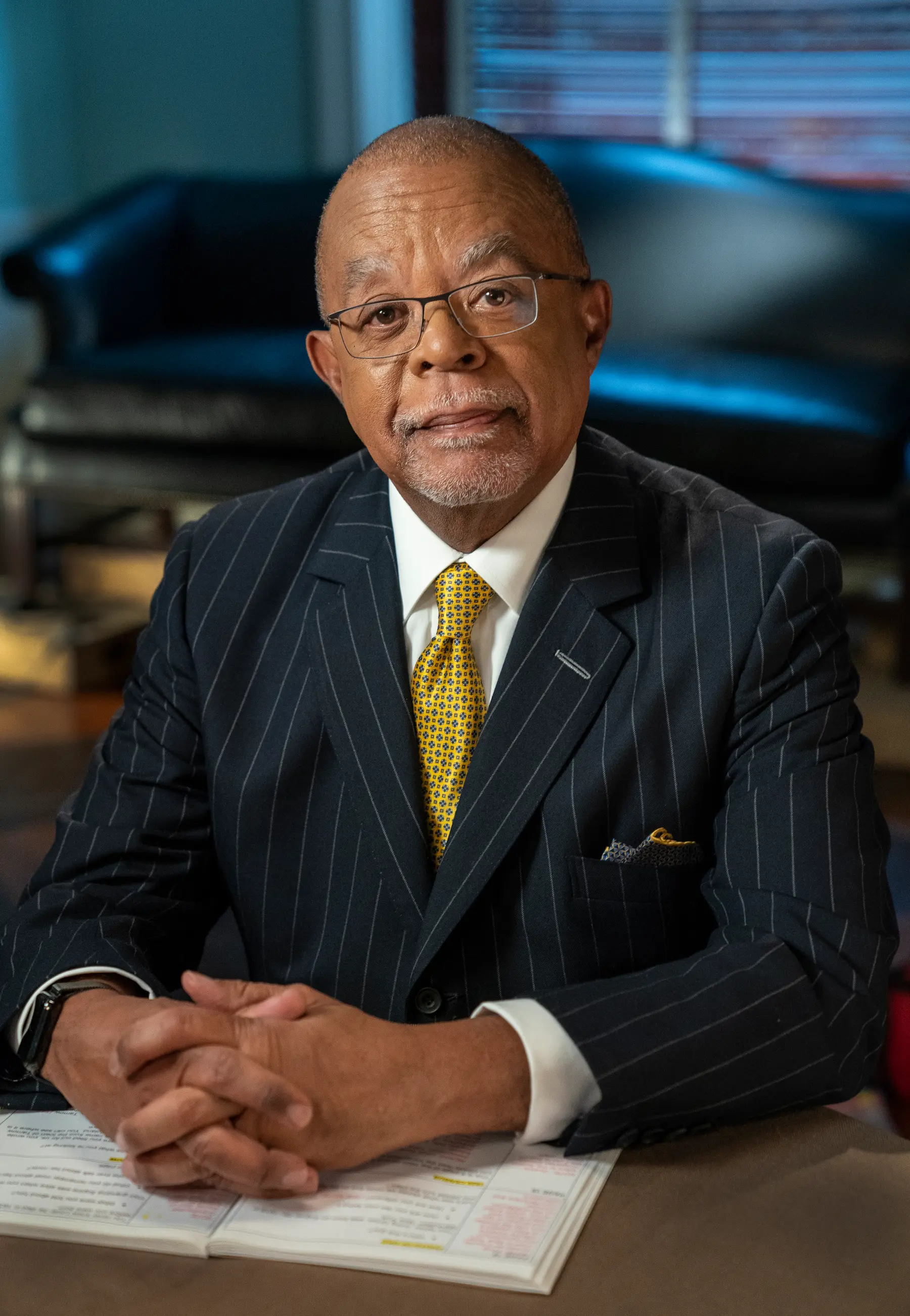
"Back in 1776, the poetic language of the Declaration of Independence planted our national family tree, boldly imagining a nation in which 'all men' had been 'created equal.' But who, exactly, was 'a man?' And what could all men—and women—do with their equal creation? Those questions have animated American public life ever since. A quarter millennium later, Monticello’s Declaration Book Club helps us recover our roots and trace their tangled branches. In the process, it reminds us of the highest aspiration of our founding: that all Americans, regardless of who they are, what they believe, or where they come from, can reach for the fruits of that seedling’s promise—'life, liberty, and the pursuit of happiness.'"
— Henry Louis Gates, Alphonse Fletcher University Professor at Harvard University, is the host and executive producer of the award-winning genealogy and genetics series Finding Your Roots
Parents and teachers at St. Gerald’s Catholic School in Ralston, Nebraska, photo courtesy of Kendra Sullivan
“We just completed our first of two sessions of the DOI Book Club last night. Conversations were lively! So much fun!”
— Kendra Sullivan, teacher at St. Gerald's Catholic School in Ralston, Nebraska
Meeting 1: 1776
Explore the drafting of the Declaration in 1776, with insights into the people and ideas behind it.
“
We hold these truths to be self-evident, that all men are created equal, that they are endowed by their Creator with certain unalienable Rights, that among these are Life, Liberty and the pursuit of Happiness.”
Fast-forward to 1826, the 50th anniversary of the Declaration, and discover how Americans—including Jefferson and Adams—looked back on the Declaration.
“
. . . all eyes are opened, or opening, to the rights of man. . .”
Thomas Jefferson to Roger Weightman, June 24, 1826, Monticello, Virginia, United States of America
Dr. Andrew Davenport, Vice President for Research and Saunders Director of the Robert H. Smith International Center for Jefferson Studies
Trace the Declaration’s legacy and influence throughout history, from Seneca Falls to Dr. King’s “I Have a Dream” speech and beyond.
“
I have a dream that one day this nation will rise up and live out the true meaning of its creed:
'We hold these truths to be self-evident: that all men are created equal.'”
Reverend Martin Luther King, Jr., 1963 March on Washington for Jobs and Freedom
Auriana Woods, Director of Monticello's Getting Word African American History Department