Exhibit
1776: Road to the Declaration
This exhibit reveals that in 1776, the future was anything but certain.
Included with admission, Monticello's exhibits bring history to life through the many stories that shaped this place — from Thomas Jefferson's life as a statesman, scientist, and architect to the enslaved community who built and sustained his mountaintop home. Thought-provoking and immersive, there's always something new to discover.
This exhibit reveals that in 1776, the future was anything but certain.
A new orientation timeline at the Visitor Center
A hands-on space where kids investigate the past using the same tools as Monticello's historians, archaeologists, and curators.
The visually rich 15-minute introductory film orients all Monticello visitors to key notions regarding Jefferson's ideas and accomplishments.
The site of several graves of enslaved African Americans at Monticello is a place to honor and reflect on the over 400 enslaved people who lived and labored at Monticello during Jefferson's lifetime.
A bronze relief model of Jefferson's entire 5,000-acre Monticello plantation.
Step into Monticello's working basement, where the Crossroads exhibit, Wine Cellar, and Beer Cellar illuminate the labor, lives, and daily rhythms of the enslaved people who kept the household running.
This exhibit relies on the words of Sally Hemings’s and Thomas Jefferson’s son, Madison, to explore her life and the legacy of freedom she achieved for her family.
Monticello’s later kitchen incorporated all the newest and best cooking technologies available at the time.
Enslaved chef Peter Hemings lived in this quarter for some time before another enslaved chef, Edith Fossett and her family, moved in.
The South Pavilion, probably begun in the summer of 1770, is believed to be the first brick building completed on Monticello mountain.
Since 1993, Getting Word has been recording oral histories of the descendants of Monticello's enslaved community.
Monticello's first kitchen
Monticello's main plantation street features reconstructed cabins and workshops — including the Textile Workshop, Storehouse for Iron, and Hemmings Cabin — telling the stories of the enslaved community who lived and worked here.
Descriptions of the various parts of Monticello's gardens and grounds around the publicly accessible historic mountaintop.
Each year, hundreds of thousands of people visit Thomas Jefferson's grave in the Monticello graveyard, which is marked by an obelisk based on his own design.
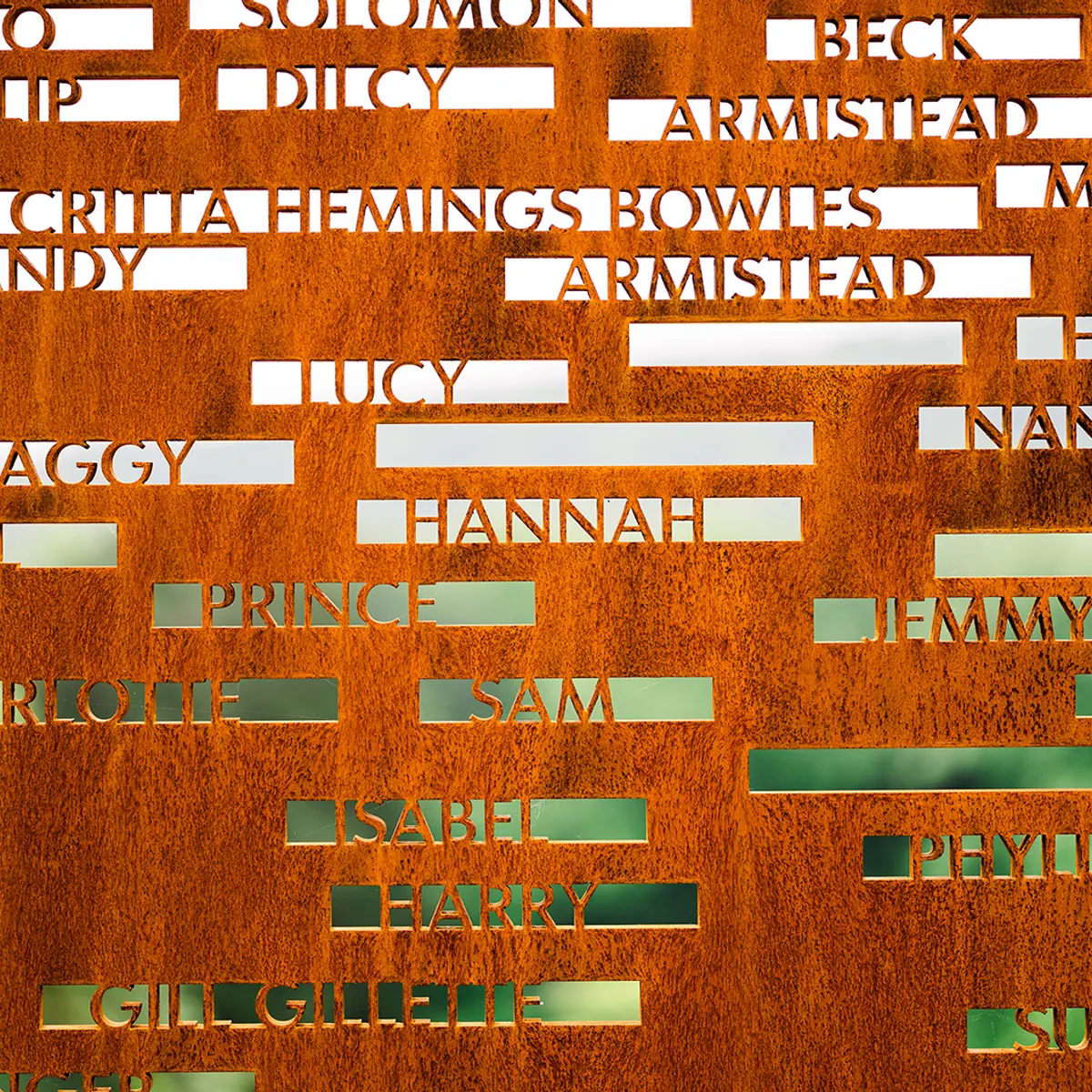
A powerful, yet tranquil space to reflect upon lives and legacies of Monticello's enslaved African Americans.
Check out our Itineraries for recommendations based on your interests or choose from one of our regularly offered tours.
Next page in
Events & Exhibits